Task Management

Radzivon Alkhovik
·
Updated on
Two entrepreneurs launch ads for the same product with identical budgets. One gets a stream of leads, the other — silence. The difference isn't money or luck. The difference is how precisely the ad hits the right person's head and heart at the right moment.
Hello! The mymeet.ai team works with business communications and knows: understanding the customer is the foundation of sales, and equally of any effective advertising.
What Is Effective Advertising and How to Measure It
Effective advertising isn't what looks beautiful or gets likes. It's advertising that achieves a measurable result: sales, leads, brand awareness, or another predetermined goal. Without a clear definition of the goal, it's impossible to evaluate the result.
The problem with most advertising campaigns isn't poor execution but the absence of clear success metrics. A company spends its budget, gets some results — and can't answer the question: is this good or bad? There's nothing to compare it to.
Key Advertising Effectiveness Metrics
Metrics depend on campaign goals, but several indicators are universal across most formats. CTR (click-through rate) shows how well the ad captures target audience attention. CR (conversion rate) shows what share of clicks turn into target actions. CAC (customer acquisition cost) shows the real price of each new customer including all expenses. ROAS (return on ad spend) shows how much revenue each dollar of ad budget generates.
Tracking all metrics simultaneously is difficult — it's better to choose one or two key ones depending on the funnel stage and campaign type.
What Distinguishes Effective Advertising from Ineffective
Ineffective advertising talks about the product. Effective advertising talks about the customer — their problems, desires, and fears. This is the main distinction that determines results.
A company that writes "we've been in the market for 15 years, we have a professional team and high quality" is talking about itself. A company that writes "you spend three hours after every meeting on minutes — we do it for you in three minutes" is talking about the customer. The second version converts better — because the person immediately recognizes their pain.
Core Principles of Effective Advertising
The advertising market changes fast: new formats, platforms, and tools appear. But the basic principles that make advertising work have remained stable for decades. They're based on human psychology, not technology.
Clear Understanding of Target Audience
Advertising addressed to everyone works for no one. The more precise the target customer portrait, the more precise the advertising message hits. A good portrait includes demographics — age, gender, income — as well as psychographics: fears, motivations, values, language.
The most reliable way to build an accurate portrait is talking to real customers. Not surveying, but actually talking: listening to how they describe their problem, what stops them from buying, what words they use to explain their decision.
Strong Unique Selling Proposition
A USP is the answer to the question "why should the customer buy from you and not a competitor?" Without a clear answer to this question, any advertising becomes just more noise in the information stream.
A good USP is specific, verifiable, and important to the target audience. "High quality" isn't a USP — it's a declaration. "Delivery in 2 hours or your money back" is a USP because it's specific, verifiable, and important to those who need urgency.
Right Channel and Format Selection
The strongest advertising message won't work if it's shown somewhere the target audience isn't. Older audiences are better reached through television and print. Younger ones — through social media and video platforms. B2B audiences — through professional networks, industry publications, and search advertising.
Channel selection depends not only on the audience but on the funnel stage. Awareness advertising in social networks works well for brand recognition. Search advertising — for capturing demand from those already looking for a solution.
Testing and Optimization
Even an experienced marketer doesn't know in advance which headline will work better, which button color will increase conversion, or which image will hook the audience. The only way to find out is to test.
A/B testing allows comparing variants on real audiences and making decisions based on data, not intuition. Test one element at a time — otherwise it's unclear what exactly influenced the result.
Effective Advertising Formats: Comparison and When to Use Each
Each advertising format has its strengths and optimal application scenarios. Understanding this helps allocate a budget where it will deliver maximum results for a specific task.
Format selection always starts with the question: at what funnel stage is the target audience? Those who've never heard of the brand require one approach. Those already comparing options — another.
Format | Best Funnel Stage | Strengths | Limitations |
Search Advertising | Demand | Precise query matching | High competition, expensive |
Targeted Advertising | Awareness, Interest | Precise audience targeting | Banner blindness |
Content Marketing | Awareness, Trust | Long-term effect | Slow results |
Email Marketing | Decision, Loyalty | High ROI, personalization | Requires subscriber base |
Video Advertising | Awareness, Interest | Emotional engagement | High production cost |
SEO | Demand | Free traffic long-term | Slow results |
The table shows guidelines, but the real choice always depends on specific business, budget, and audience. For most companies, the optimal strategy is a combination of several formats at different funnel stages.
How to Create Effective Advertising: Step-by-Step Approach
Chaotic ad launches without a system are the main reason for wasted budgets. A structured approach helps avoid typical mistakes and move in the right direction from the start.
Customer Research Before Launching Advertising
Before writing copy and choosing formats, you need to deeply understand the target customer. What do they want? What do they fear? What words do they use to describe their problem? What stops them from buying?
The best sources for this data are real conversations with customers: sales call recordings, interviews, customer meetings. Formulations from these conversations transfer directly into ad copy and work significantly better than those invented by a marketer in an office.
Creating Advertising Messages in the Customer's Language
A strong advertising message follows a simple formula: pain — solution — proof. First, show you understand the customer's problem in their own words. Then explain exactly how you solve it. Then support with concrete proof: numbers, case studies, testimonials.
The keyword here is "their own words." If the customer says "after every meeting I have to spend half an hour remembering what we agreed on," exactly this phrase should be in the ad — not marketing speak like "meeting documentation workflow optimization."
Launch, Analysis, and Optimization
The first version of an ad is almost never the best. Launch a campaign with minimal budget, collect data, find what works, and amplify it. Elements that don't work — turn off or redo.
The testing and optimization cycle is continuous. The market changes, the audience changes, competitors change. Advertising that worked great a year ago may stop working today — and vice versa.
mymeet.ai — A Tool for Creating Effective Advertising Based on Real Data
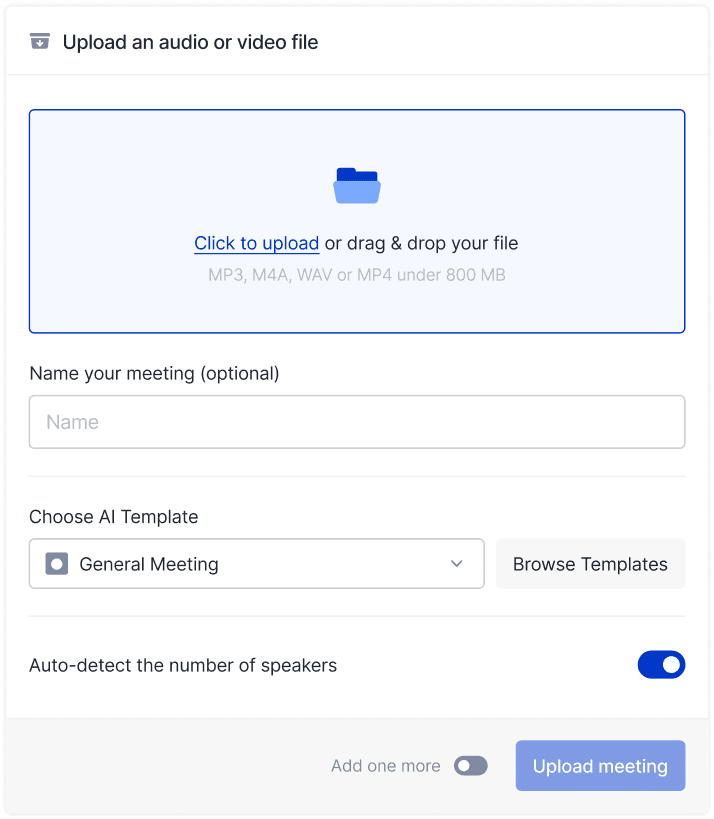
The most convincing ad copy isn't born in a copywriter's head but in conversations with customers. mymeet.ai automatically records and analyzes customer meetings, turning them into structured data for marketing and sales.
How Meeting Analysis Helps Create Advertising That Sells
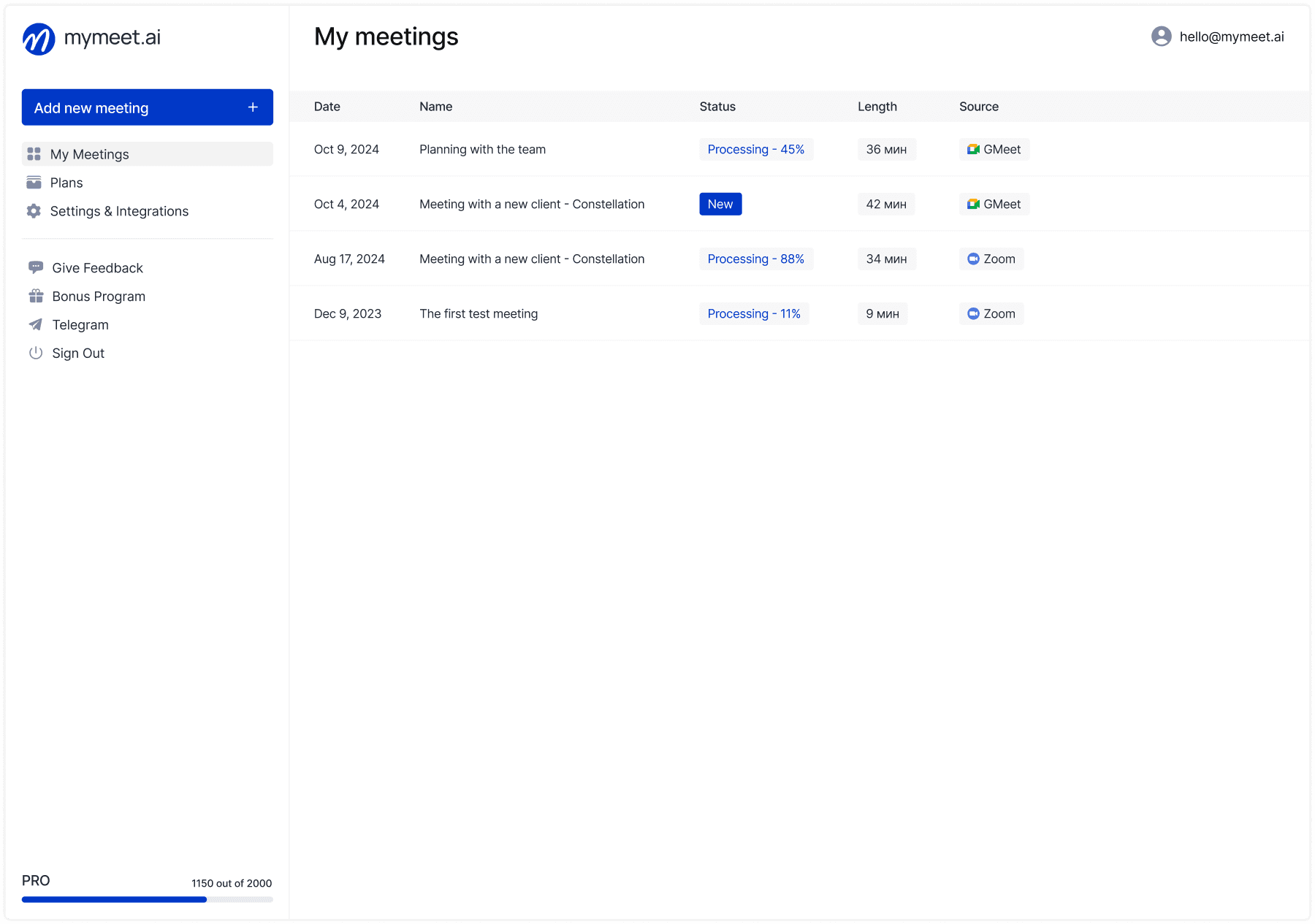
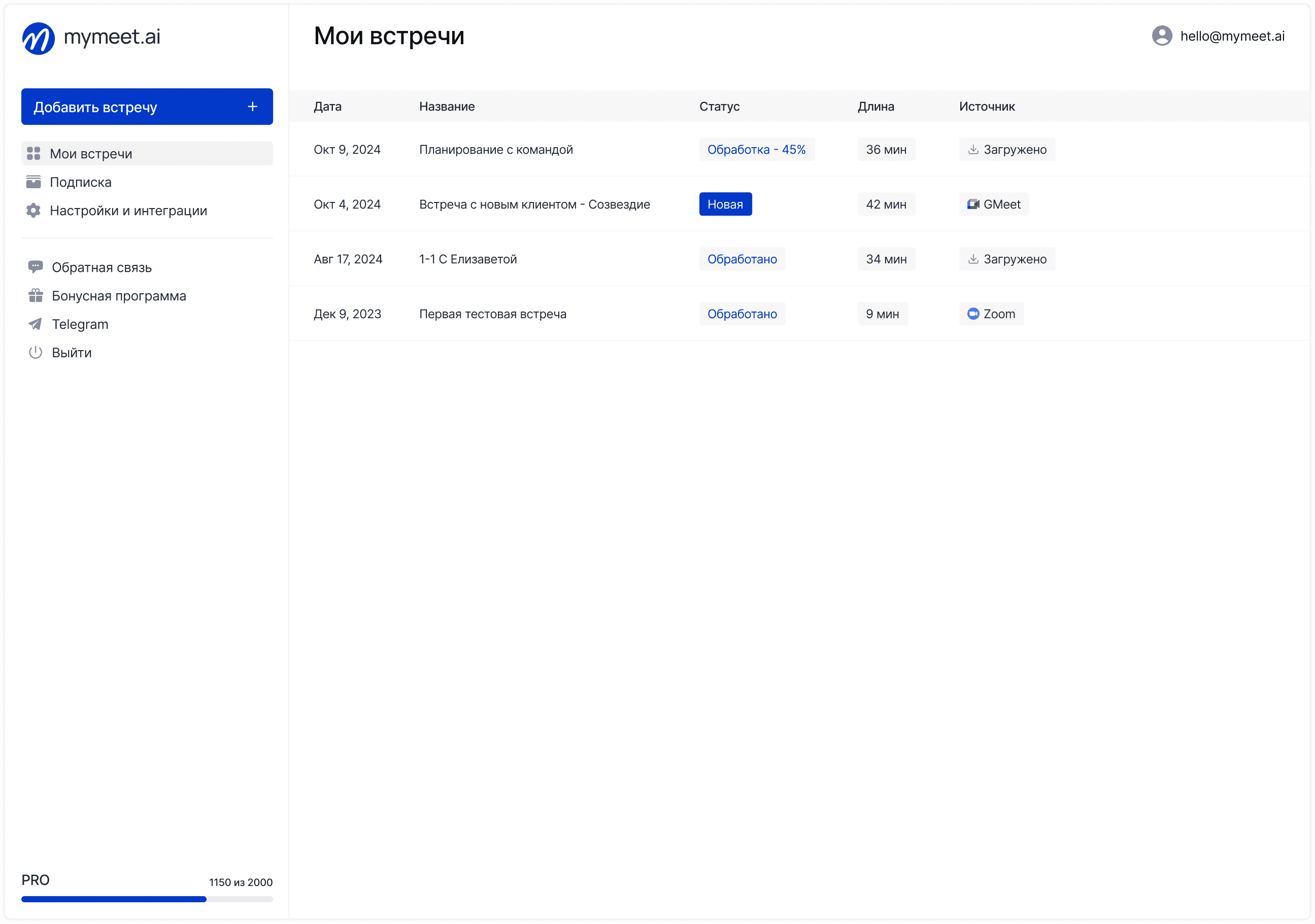
The service connects to meetings in Zoom, Google Meet, Teams, and Yandex.Telemost (Russian video conferencing service), transcribes speech with 96-98% accuracy, and generates reports by template. The "Client Meeting" report automatically extracts needs, objections, and next steps from each conversation.
Through AI chat, you can ask questions across the entire meeting archive: "What words do customers use to describe their problem?", "What most often stops them from buying?", "What arguments work best against price objections?" Answers are formed based on real conversations — these are ready insights for ad copy, USPs, and content strategy.
✅ Automatic meeting recording in Zoom, Google Meet, Teams, Yandex.Telemost
✅ 96-98% transcription accuracy with speaker separation
✅ "Client Meeting" report — needs, objections, next steps
✅ AI chat for pattern analysis across meeting archives
✅ Integration with amoCRM and Bitrix24 (popular CRM systems)
✅ 180 minutes free, no credit card required
Marketing teams that systematically analyze customer meeting recordings find precise formulations for ad copy, identify real purchase barriers, and understand decision-making logic — not assumed, but confirmed by real conversations.
Conclusion
Effective advertising doesn't start with budget or platform — it starts with understanding the customer. The more precisely advertising hits a real person's real pain in their own words, the better it works.
The basic principles — clear audience, strong USP, right channel, constant testing — don't become outdated regardless of what new tools appear in the market. Technologies change formats, but not human psychology.
The best data source for advertising is real conversations with customers. Systematize them, analyze them, and use them in communications. This is a competitive advantage that's hard to copy.
Frequently Asked Questions About Effective Advertising
What makes advertising effective?
Effective advertising precisely hits the target audience's pain, speaks their language, contains a clear USP and call to action. It's shown in the right channel at the right time and has a measurable result that can be correlated with the campaign goal.
How do you measure advertising effectiveness?
Through key metrics: CTR (click-through rate), CR (conversion rate), CAC (customer acquisition cost), ROAS (return on ad spend). Metric choice depends on campaign goal — for awareness advertising, cost per thousand impressions matters; for sales advertising — customer acquisition cost.
How much does effective advertising cost?
The budget doesn't directly determine effectiveness. A small budget with precise targeting and a strong message often delivers better results than a large budget with a vague proposition. Start with a minimal test, find what works, and scale exactly that.
What advertising channel is most effective?
There's no universal answer. Search advertising works well for capturing existing demand. Targeted advertising — for creating demand and reach. SEO — for long-term organic traffic. The optimal choice depends on audience, budget, and funnel stage.
How do you write effective ad copy?
Use customer language, not marketing clichés. Start with the pain or problem you solve. Explain exactly how you solve it. Support with concrete proof. End with a clear call to action. The source of the best formulations is real conversations with customers.
Why doesn't advertising work even with a large budget?
Most often due to three reasons: imprecise audience portrait (ads shown to wrong people), weak message (ads don't hook the right pain), or wrong channel (audience simply isn't there). Increasing budget amplifies the existing problem rather than solving it.
How do you create a USP for effective advertising?
Answer the question: why should the customer buy from you and not a competitor? The USP must be specific, verifiable, and important to the target audience. Avoid abstractions like "high quality" and "individual approach" — everyone has those and they say nothing.
How often should advertising campaigns be updated?
Depends on market and format. Search advertising requires regular optimization — at least monthly. Banner advertising "burns out" faster — audiences stop noticing it after a few weeks. Content marketing and SEO work long-term but require regular updates.
How does psychology help create effective advertising?
Knowledge of psychological mechanisms — social proof, scarcity, authority, reciprocity — allows building advertising messages that work with buyers' real motivations and fears. This isn't manipulation but understanding how people make decisions.
How do you use data from customer meetings for advertising?
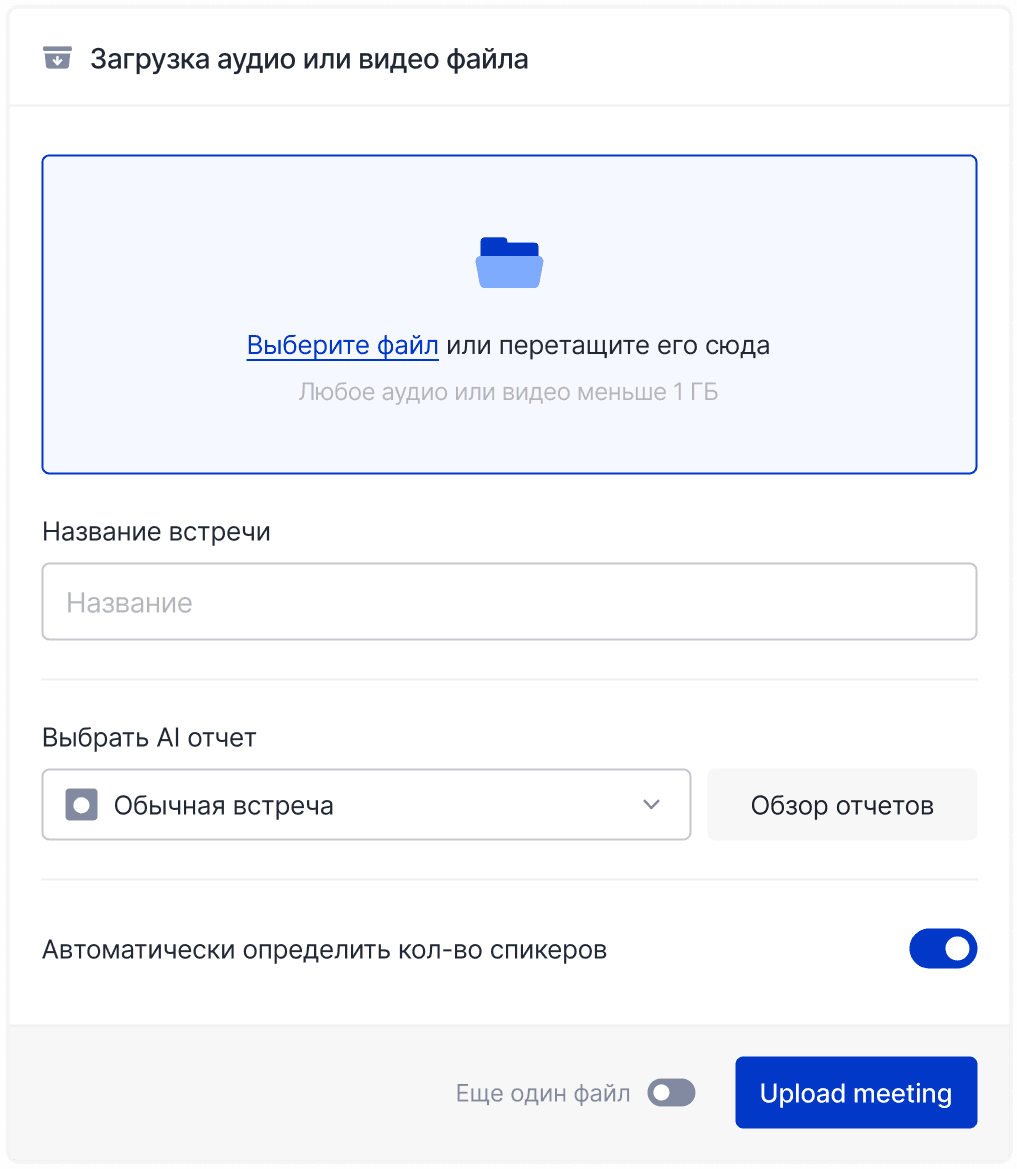
Record and analyze customer conversations: sales calls, interviews, meetings. In these conversations are ready formulations for ad copy, real objections to address, and precise understanding of audience language. mymeet.ai automates recording and analysis of such conversations.
Radzivon Alkhovik